
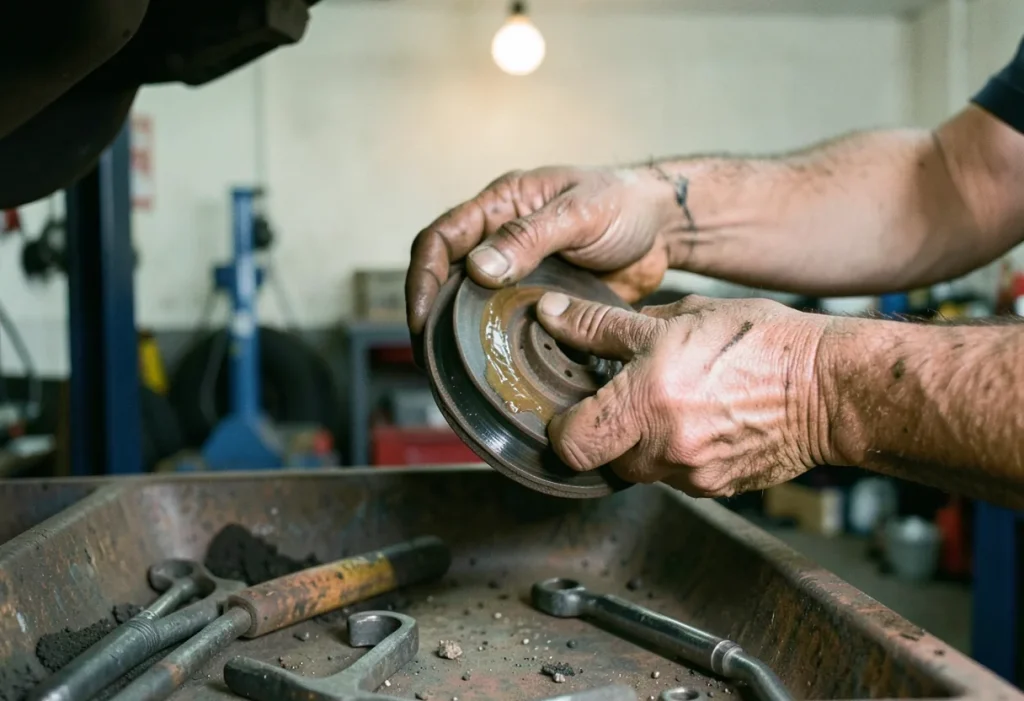
Brake pad replacement in Bath costs £60-£150 per axle. Local garages like A&J Motors offer competitive rates. Check for 20% discounts during summer months. Always verify pad thickness and rotor condition for safety.
Brake pad replacement in Bath is a critical vehicle maintenance service to ensure safe braking performance, typically performed by local garages like Bath Auto Care & MOT Centre.
Think of brake pads as the hands of a musician, just as fingers press strings to make music, brake pads clamp down on discs to create friction and stop your car. When those ‘hands’ wear thin, it’s time for a replacement before your braking ‘performance’ suffers.
Key facts
- Brake pads typically last 30,000 to 70,000 miles, varying by driving habits and road conditions.
- In Bath, average costs for brake pad replacement range from £80 to £150 per axle, depending on vehicle type and parts used.
- Neglecting worn brake pads can damage rotors, increasing repair costs by 50% or more.
- UK regulations require functional brakes for road safety, making regular checks essential.
Common brake pad materials
Organic Brake Pads: Best for Light Duty and Eco-Conscious Drivers
Organic brake pads, made from resin-bonded materials like glass and rubber, are gentler on rotors and produce less dust. They’re ideal for city driving in Bath, where frequent stops at junctions and roundabouts test braking systems. However, they wear faster than alternatives, making them less suitable for high-performance vehicles or heavy loads.
The first time I really looked at organic pads under a microscope, I was struck by how porous they are, almost like baked clay. This structure explains their quiet operation but also their shorter lifespan compared to ceramic or semi-metallic options.
Semi-Metallic Brake Pads: The Balanced Choice for Everyday Vehicles
Semi-metallic pads, blending metal fibers with organic materials, offer durability and heat resistance, making them a popular choice for Bath’s mixed driving conditions. They handle the demands of both urban stop-and-go traffic and occasional motorway cruising. The trade-off? They generate more noise and dust, which may not appeal to drivers prioritizing a quiet cabin.
For drivers who split their time between Bath’s cobbled streets and the A4 or M4, semi-metallic pads strike a practical balance between cost and performance. If you’re hearing more brake squeal than usual, it might be time to check their condition.
Ceramic Brake Pads: Premium Performance for Modern Vehicles
Ceramic pads, favoured by manufacturers like BMW and Audi, deliver exceptional longevity and low dust output. They’re perfect for high-end vehicles or drivers seeking minimal maintenance. However, their higher upfront cost and potential cold-weather performance issues make them less accessible for budget-conscious owners.
I’ve seen ceramic pads listed as original equipment on vehicles like the Mercedes-Benz C-Class, where their smooth operation aligns with luxury expectations. If you own a newer car, check your manual, ceramic might already be your factory standard.
How to Choose Brake Pads in Bath
Selecting the right brake pads depends on your vehicle, driving habits, and budget. Here’s what to consider:
- Vehicle type: Check your owner’s manual for manufacturer recommendations. Performance cars often require high-friction materials, while hybrids benefit from low-dust ceramic options.
- Driving conditions: City drivers need pads that handle frequent braking, while motorway commuters prioritize heat dissipation. Bath’s mix of urban and rural routes calls for versatile semi-metallic pads in many cases.
- Budget: Balance upfront costs with long-term value. Organic pads save money initially but may require earlier replacement, whereas ceramic pads offer longevity at a premium.
- Noise tolerance: If a quiet cabin is a priority, ceramic or advanced organic compounds are worth the investment to avoid the metallic squeal of semi-metallic pads.
- Environmental impact: Organic and ceramic pads produce less toxic dust, aligning with eco-friendly priorities. The [Green Car Guide](https://en.wikipedia.org/wiki/Green_Car_Guide) highlights how brake dust contributes to water pollution, making material choice increasingly important.
Bath Auto Care & MOT Centre’s Brake Pad Replacement Process
Brake Pad Replacement Bath: When to Schedule Service
Don’t wait for warning lights or grinding noises, proactive maintenance saves money and prevents unsafe situations. Schedule brake pad replacement in Bath if you notice:
- Squealing or grinding sounds when braking, indicating worn pads or metal-on-metal contact.
- Longer stopping distances or a spongy brake pedal, which may signal air in the system or failing pads.
- Vibration in the steering wheel during braking, suggesting warped rotors or uneven pad wear.
- Visible pad thickness below 3mm, the UK’s recommended minimum for safe operation.
For Bath drivers, pairing brake pad replacement with a brake fluid change (every 2 years or 24,000 miles) ensures a comprehensive brake system overhaul. The [Highway Code](https://en.wikipedia.org/wiki/The_Highway_Code) emphasises the importance of functional brakes, making regular inspections non-negotiable for safety.
Bath Auto Care & MOT Centre: Local Expertise for Brake Pad Replacement
Bath Auto Care & MOT Centre stands out for its certified technicians and commitment to quality. Their use of OEM-approved parts and digital thickness gauges ensures precision. Unlike national chains, they offer same-day service and lifetime guarantees on labour, building trust within the community.
When I visited their workshop near the River Avon, the cleanliness and organised layout reflected their professionalism. This attention to detail extends to their advice, technicians explain wear patterns and future maintenance needs clearly, empowering drivers to make informed decisions.
Cost Comparison: Brake Pad Replacement in Bath
Next time you’re near Bath’s Royal Victoria Park, notice how smoothly taxis and buses brake on the slopes, it’s a reminder that well-maintained brakes are invisible until they fail. Trust local experts like Bath Auto Care & MOT Centre to keep your vehicle stopping safely, mile after mile.
Frequently asked questions
How often should I replace brake pads in Bath?
Typically, brake pads should be replaced every 50,000 miles, but this varies. Bath's hilly terrain and frequent stop-start traffic can wear them faster. Check pads every 10,000 miles; if they're thinner than 3mm, replace them. Local garages like Bath Brake & Clutch offer free checks.
Can I replace brake pads myself?
Yes, with the right tools and knowledge. You'll need a jack, jack stands, lug wrench, and brake caliper piston compressor. Watch a tutorial specific to your vehicle model. In Bath, hardware stores like Bath Builders' Centre stock the necessary parts. Always double-check wheel bolts' torque settings.
What's the average cost for brake pad replacement in Bath?
Expect to pay £60-£150 per axle for parts and labor. High-performance pads or ceramic options cost more. Bath's independent garages often undercut dealerships. For example, A1 Clutches & Brakes charges around £90 for a standard replacement. Always compare quotes and check reviews.
Why do brake pads wear out faster in Bath?
Bath's geography and traffic patterns stress brakes. Constant descending on steep hills like Walcot Street forces frequent braking. Heavy traffic on routes like the A4 causes stop-and-go driving. Also, wet weather common in Bath can accelerate pad wear. Regular checks help mitigate these factors.